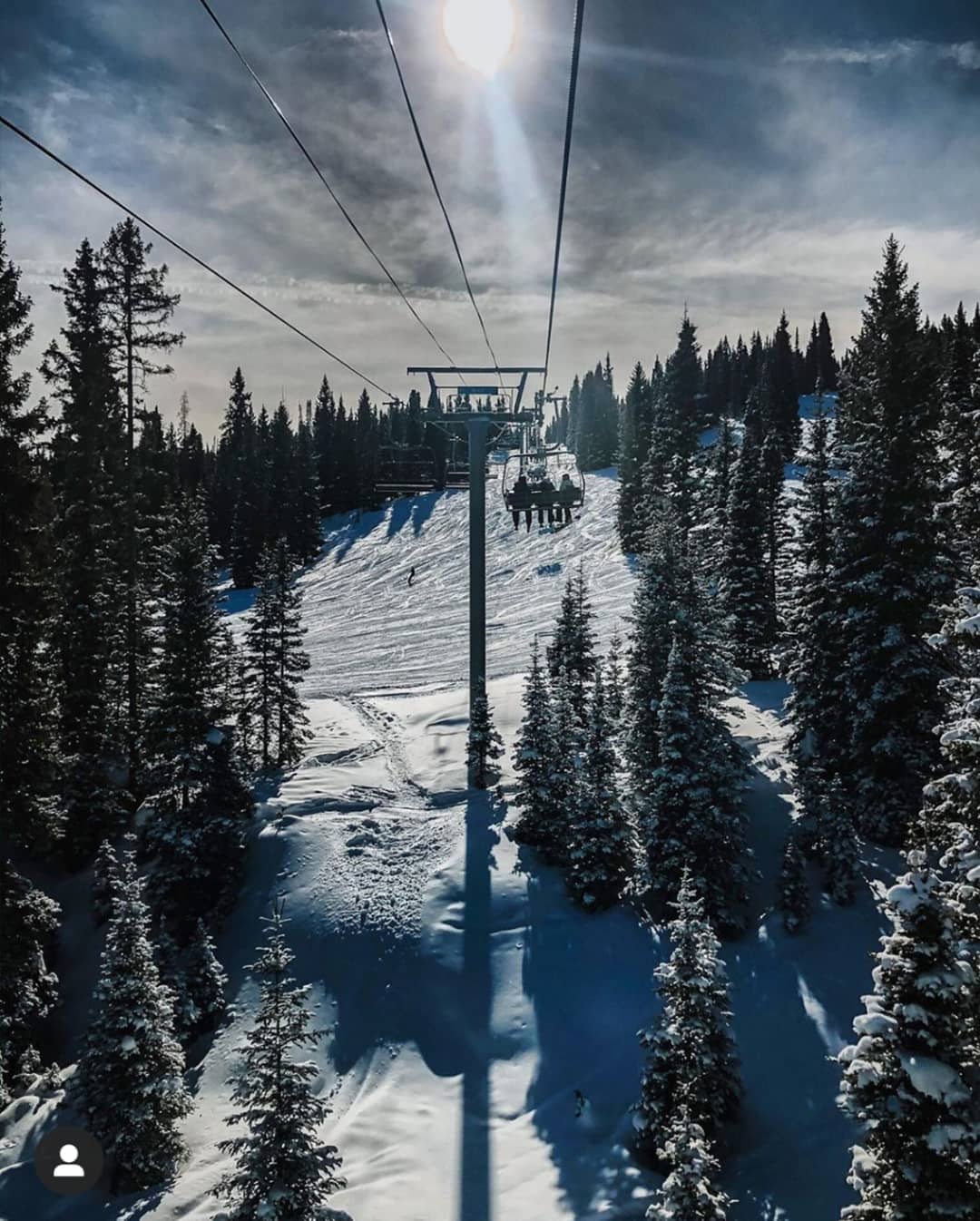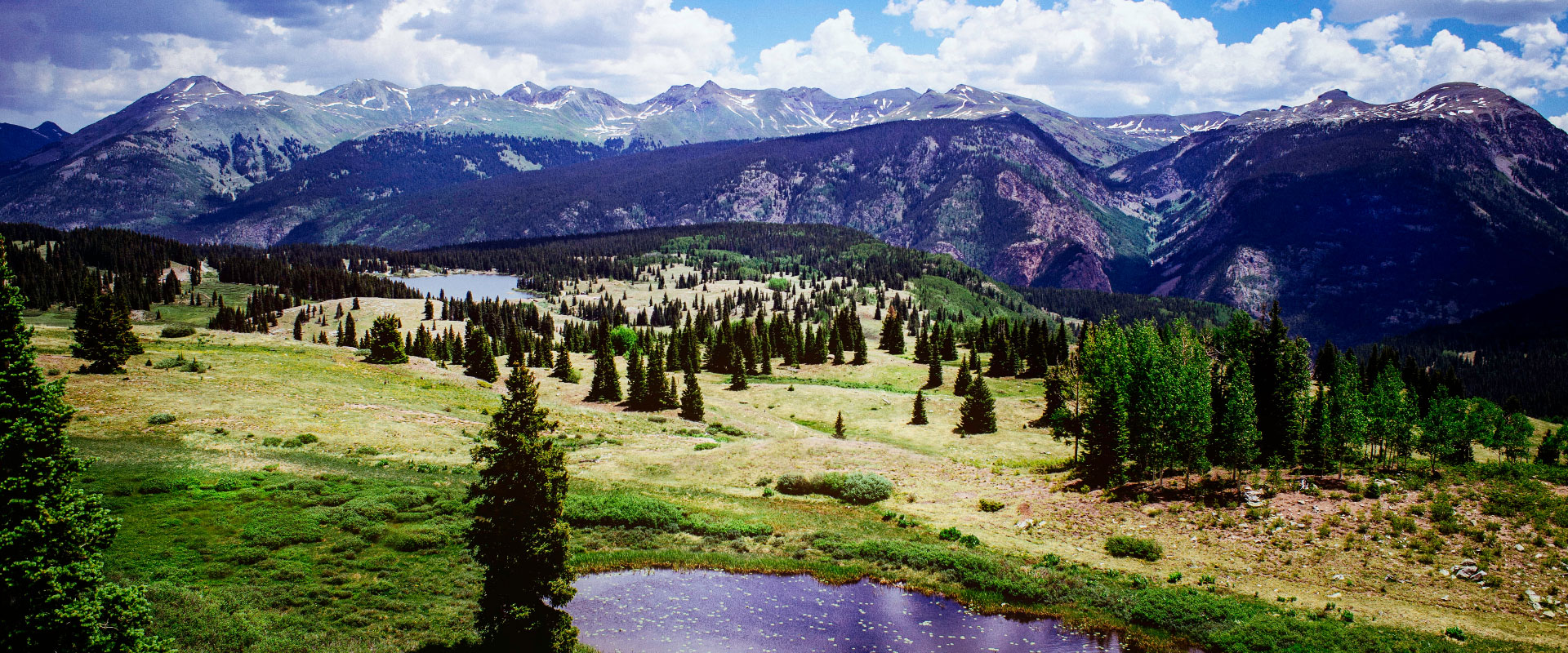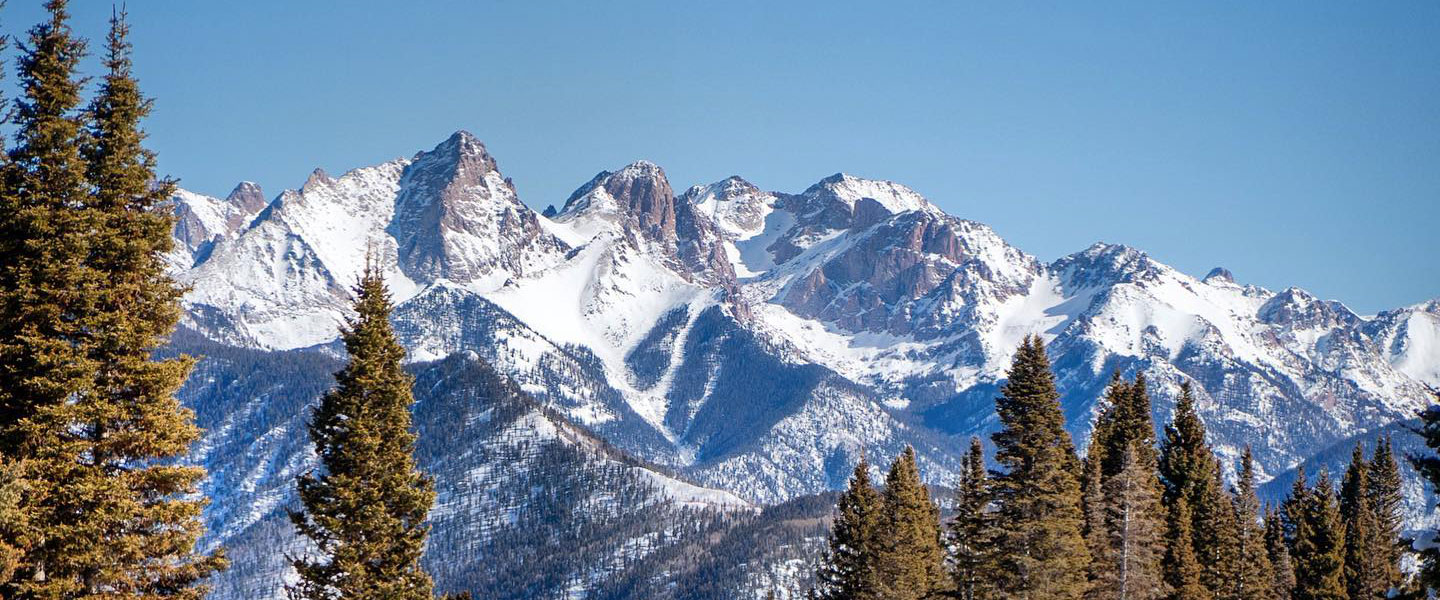
Ask a longtime Durango resident what's stacked in their garage and you'll get a full inventory before you get a hello: a raft, two mountain bikes, skis nobody's tuned since March, a set of snow tires, a paddleboard someone borrowed once and never returned. Storage in Durango is less about clutter and more about math. Four real seasons, each one handing you gear the last one didn't need. Somewhere around year three, most people run out of garage.
The gear-overflow problem is specific to here
Winter wants skis, boards, chains, a shovel, maybe a snowblower. Summer wants the raft, the bikes, a cooler the size of a dog crate. Durango in winter alone drags in enough equipment to eat a mudroom, and stack mountain biking season on top of it and a two-car garage stops functioning as a garage. It turns into a gear closet with a car parked half in the driveway.
Newer neighborhoods don't always solve it, either. A lot of the starter homes around Three Springs and Rafter J come with a single-car garage sized for one vehicle and nothing else — not a raft rack, not a wall of skis, not the bin of camping gear that only comes out three weekends a year. Renters have it worse. A lot of the units downtown and around Animas City come with a coat closet and nothing else. No shed, no mudroom, nowhere to put a bike that isn't the living room.
Storage unit or on-site container — different jobs
For seasonal gear, a standard self-storage unit is the easy answer. Climate control rarely matters for skis and bike frames, and a 5x10 handles a season's worth of equipment for most households without much thought. Rotate winter gear in when the snow melts, swap it for the raft and camp box, repeat.
Construction crews, ranch operations, and anyone mid-move need something else entirely. Driving tools back to a rented unit every night burns half a workday. A property outside city limits with no shed yet has nowhere to lock anything up at all — not a ladder, not a generator, not a pallet of lumber. That's the gap an on-site steel container fills: it shows up on your property, gets locked, and stays put for the length of the job. No 5pm drive across town for the wrench you left behind.
Hercules Containers
Hercules Containers has been running that side of the business out of a yard on Skylane Drive since 2011, and it shows in the Google reviews — 4.9 out of 5 stars from a customer base that's mostly contractors, ranchers, and people mid-move. They rent, sell, and rent-to-own steel containers from 8 feet up to 40, delivered to construction sites, ranches, and residential moves across the Four Corners — a small box for overflow gear, a 40-foot high-cube for a contractor running a full crew. Rent-to-own is worth asking about if the need looks permanent rather than seasonal; it turns a monthly rental into equity instead of a straight expense. They'll relocate a container you already own, too, if the job site changes before the gear does. Before signing a year lease on a storage unit you'll only half-fill, it's worth a call.
When to book, and what to skip storing
Summer is the crunch season — moving traffic peaks between June and August, and both container delivery slots and self-storage vacancies tighten right along with it. If a move or a project is on the calendar for July, start calling in May. Winter deliveries are workable but weather-dependent; an unplowed access road can push a drop-off by a day or two, so build in slack if you're outside city limits.
One more practical note: an unheated container or a standard storage unit is fine for skis, bikes, patio furniture, and tools, but skip it for electronics, photos, or anything wood or leather that reacts badly to a hard freeze-thaw cycle. Durango's temperature swings are real, and a garage-turned-storage-unit doesn't insulate the way a house does.
Which one fits your situation
Boxes and seasonal equipment: a storage unit, no question. A job site, a ranch, or a move where the gear needs to sit locked on your property: an on-site container, and it's usually cheaper than it sounds once you count the drive time a storage unit would cost you instead. Either way, sort it out before next season's gear shows up and the garage runs out of room again.