Somewhere around mile eight on a Colorado Trail day hike out of Junction Creek, most first-timers discover a fact nobody mentioned before they left the trailhead: altitude doesn't just wear out your lungs. It wears out your feet. Long descents, loose scree, unfamiliar boots broken in on flat ground back home — Durango's terrain finds every weakness in your setup and exploits it by mile six. Here's how to keep your feet out of trouble on the trails around town, and what to do when a hike leaves you limping longer than it should.
The terrain does the damage
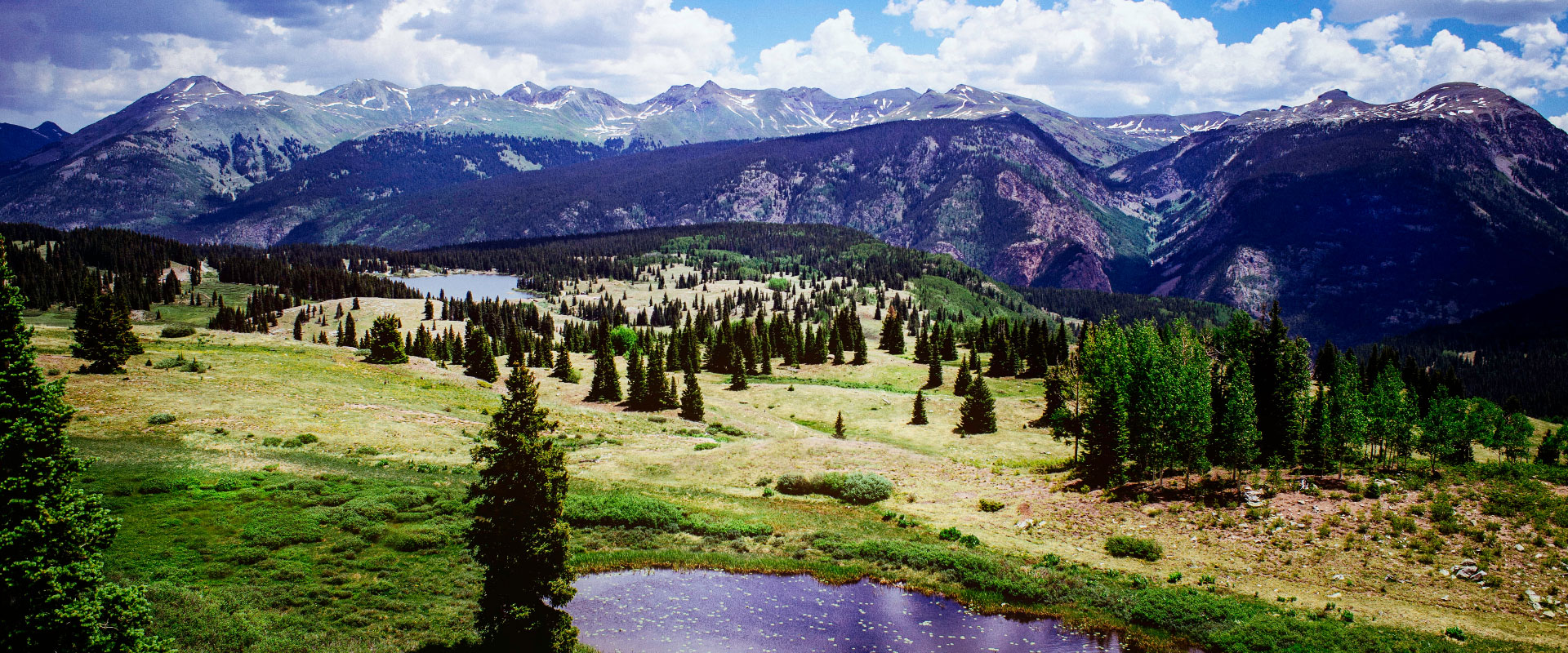
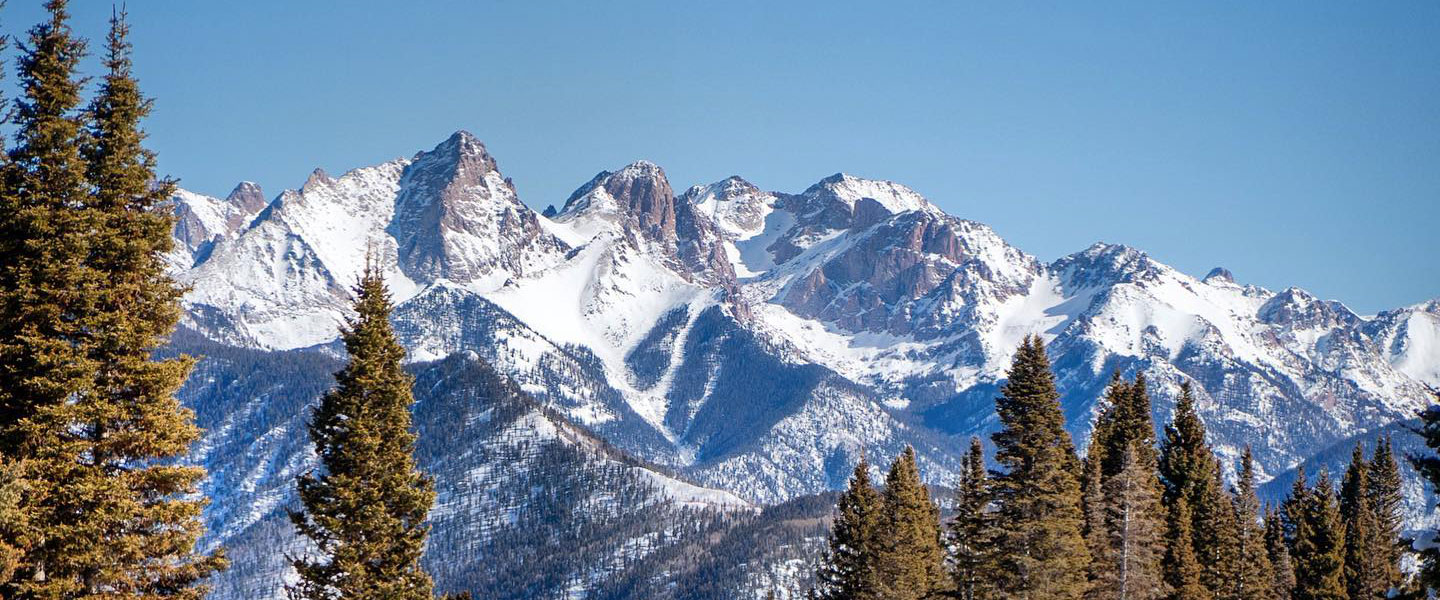
Durango sits at 6,500 feet, and most day hikes worth doing climb well above that fast. The Colorado Trail terminates here, and day-hike sections like Missionary Ridge and the approach above Twin Buttes gain thousands of feet in just a few miles — a lot of the same terrain that shows up in our mountain biking guide, just covered on foot instead of two wheels. Steep, sustained descents pound the front of the foot and the toes against the boot. Loose rock forces constant small stabilizing movements that add up over a long day. Add altitude-related swelling — feet do swell more at elevation, especially after hours on them — and a boot that fit fine at sea level can turn into a real problem by the second or third mile of descent.
Boot fit matters more here than almost anywhere
A boot that's a half-size too small becomes obvious on Durango's descents in a way it never would on flat ground. Blisters are simple, mechanically: friction plus moisture, repeated over thousands of steps. Fix either variable and you fix most blisters before they start.
A few things that actually help:
- Break boots in on local terrain before a big day, not on a treadmill.
- Size for the descent, not the ascent. Feet swell and slide forward; a boot that's snug on flat ground can crush toes on a long downhill.
- Moisture-wicking socks, not cotton. Change socks midday on a long hike if you can.
- Tape or a blister-specific dressing at the first hot spot. Waiting until it's a full blister costs you the rest of the day.
None of this is exotic advice. It just matters more when the trail drops two thousand feet in three miles, which a lot of Durango's best hikes do.
When it's more than trail soreness
Sore feet after a big day are normal. Sharp, localized pain that doesn't ease up after a rest day, numbness or tingling that lingers, or swelling that doesn't go down are different signals — worth having a professional look at rather than pushing through on the next hike.
That's where Sole Summit Podiatry comes in. Dr. Victoria Knauf, DPM, is board certified through the American Board of Podiatric Medicine and a member of the American Academy of Podiatric Sports Medicine and the American Podiatric Medical Association — credentials that matter if your problem is trail-specific rather than generic. The practice offers Class IV laser therapy and 3D-printed custom orthotics, built from a scan of your actual foot rather than off a rack. Sole Summit also handles diabetic foot care, an important piece of trail safety for hikers managing diabetes at altitude. The practice is at 1305 Escalante Drive, Unit 204, and sees patients from Durango, Bayfield, Mancos, Cortez, and Pagosa Springs — most of the trail towns feeding into this stretch of the San Juans.
A few more practical notes
- Acclimate before you push mileage. Altitude changes swelling, hydration needs, and how tired your legs feel by mile six. Give yourself a day or two before the bigger routes.
- Trekking poles help more than people expect on steep, loose descents, taking real load off your feet and knees.
- Afternoon thunderstorms are a summer fact of life here. Start early, which means your feet are working hardest on tired legs by the time you're descending in the heat of the day.
Where this fits your trip
A hard trail day pairs well with a soak — see our hot springs guide for the recovery half of the equation — and if you're building out a bigger itinerary, the best things to do in Durango guide and the fall colors piece both cover trail options by season. Take care of your feet the way you'd take care of your gear: check them, fix small problems early, and know when a trail ache is asking for more than a rest day.