Silverton is small — a few hundred year-round residents, a dozen square blocks of false-fronted buildings, and mountains standing straight up on every side. That scale is the whole appeal, and it's also the thing to plan around: the town has a limited number of rooms, a short high season, and no chain-hotel overflow valve. In July and August, the places worth staying fill up. This guide covers where to actually sleep in Silverton — the independent motels that make up most of the town's lodging, how to choose between them, and how to time a booking so you're not scrambling.
What Silverton actually is
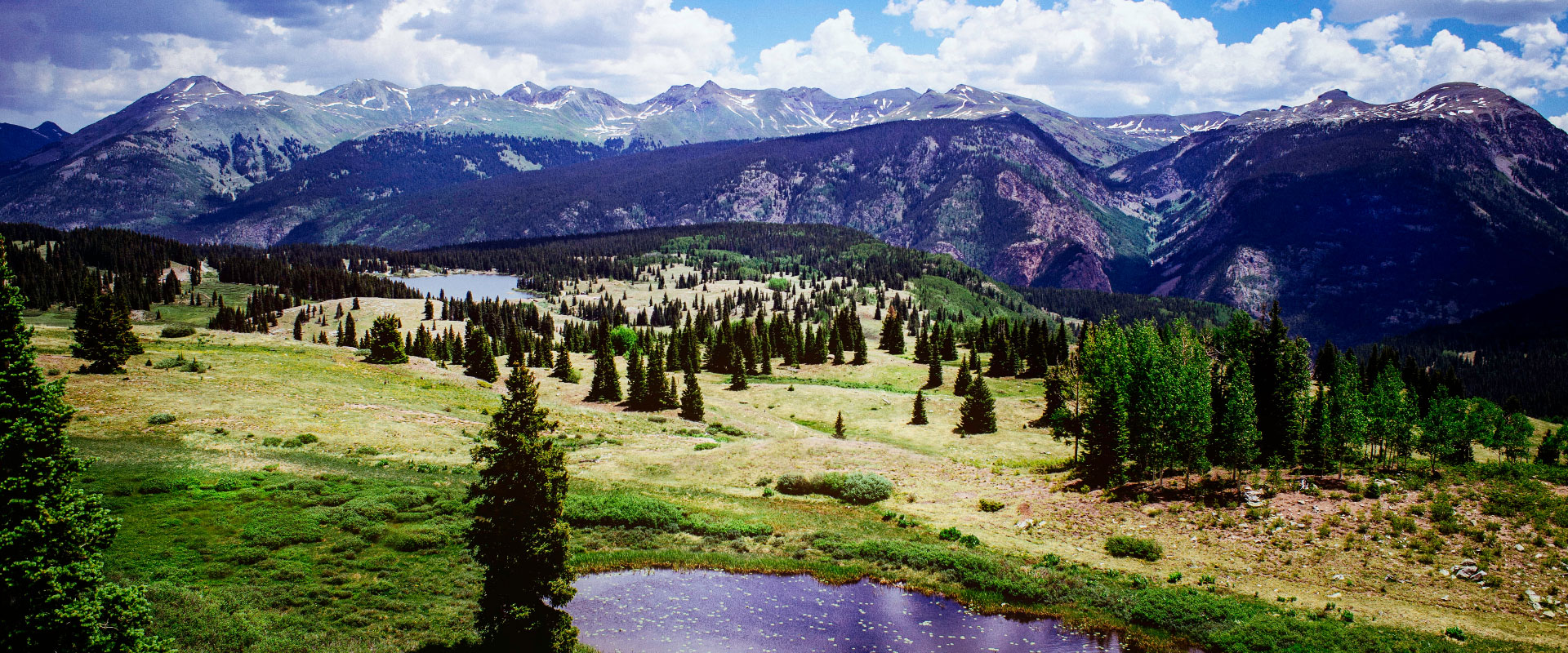
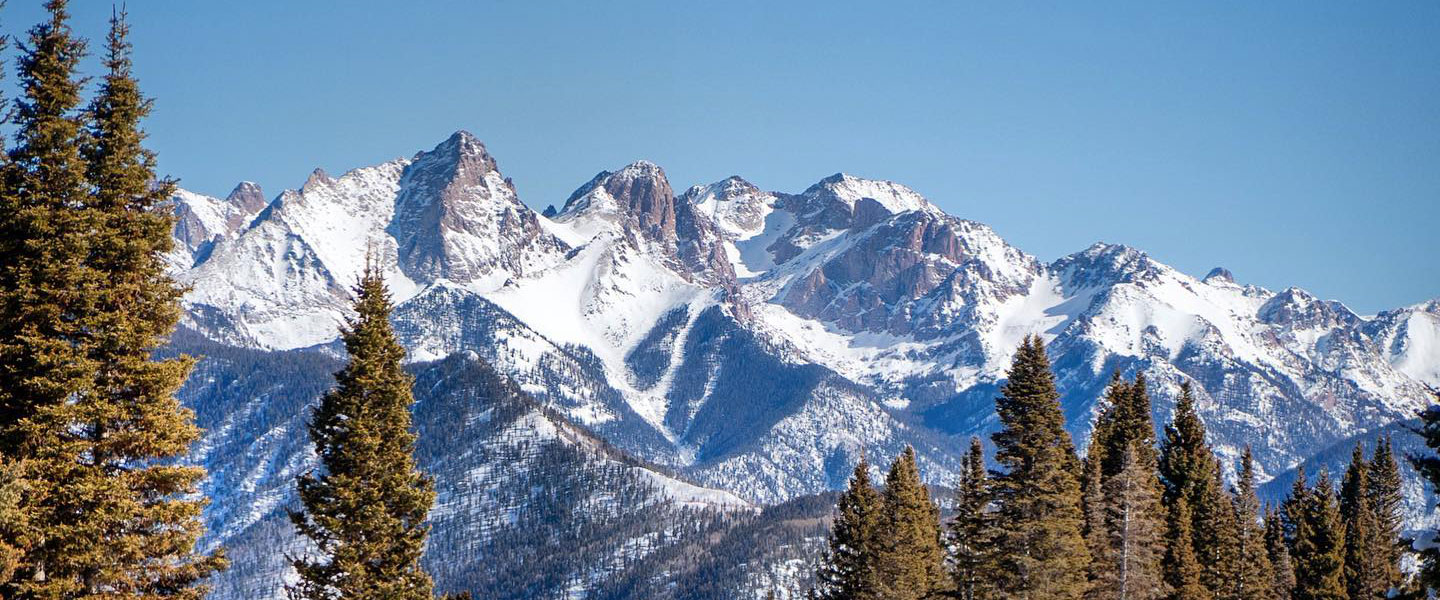
Set the expectation first, because it shapes every lodging decision. Silverton sits above 9,300 feet at the head of the Animas River valley, ringed by 13,000-foot peaks, at the northern end of the Durango & Silverton railroad and the high point of the Million Dollar Highway. It was a silver-mining town, and it still looks the part — dirt side streets, a National Historic Landmark district, and a main street that reads like a film set because it essentially is one.
What that means for lodging: you're staying in small, independently run motels, not resorts. There's no chain tower, no valet, no room-service. The trade is character, location, and a front desk that often belongs to the owner — at prices that, outside peak weekends, stay reasonable. Come in expecting a mountain-town motel and Silverton delivers exactly that.
The two streets that organize the town
Silverton runs on two parallel streets, and knowing the difference sorts out most of the lodging map.
Greene Street is the main drag — paved, lined with the restaurants, shops, the visitor center, and most of the daily business of town. Park once and you can walk to dinner, coffee, and the outfitters. Greene Street and the blocks just off it are the walkable heart.
Blair Street runs one block over and carries the town's history on its shoulders. In the mining days it was the notorious side of Silverton — saloons, dance halls, the works — and today it's a quieter, atmospheric stretch that still trades on that Old West character. Staying on Blair puts you a block off the bustle but still within easy walking distance of everything.
The independent motels worth knowing
Silverton's lodging is mostly small, family-run motels — the kind where the person checking you in may well be the owner. Three of them anchor the walkable core, and each fits a different kind of trip:
Triangle Motel — 848 Greene Street, (970) 387-5780. A longtime, pet-friendly motel right on Greene Street, set up for the way a lot of people actually visit Silverton: with a Jeep or side-by-side on the trailer and a dog in the back seat. It has an ADA-accessible room — genuinely worth knowing, since accessible lodging is thin on the ground in old mountain towns — and it sits beside Station 550 North, the convenience store and fuel stop that keeps off-highway trips supplied. If your Silverton is built around the Alpine Loop and the high mountain trails, this is the practical base.
Prospector Motel — 1015 Greene Street, (970) 387-5466. About as central as it gets: a straightforward, budget-friendly motel a short walk from Silverton's shops, restaurants, and the depot end of town. If you want a clean room, an easy price, and everything on foot, Prospector is the no-fuss pick.
Kendall Mountain Lodge — 1025 Blair Street, (970) 844-6465. On historic Blair Street, named for the peak that rises straight above town. It leans into the mountain-lodge character — a quieter block, a step removed from the Greene Street foot traffic, and still an easy walk to dinner. A good fit if you want the atmospheric side of Silverton without giving up walkability.
A note on booking any of them: these are small properties. "Small" is both the charm and the catch — a motel with a modest number of rooms sells out fast on a summer weekend, and there's no big-box hotel down the road absorbing the overflow. Book ahead, and when you find a room on your dates, take it.
Getting to Silverton
Half the fun of a Silverton trip is the arrival, and there are two classic ways in, both from Durango:
- The train. The Durango & Silverton Narrow Gauge Railroad climbs 45 miles up the Animas canyon and sets you down right in town. Most riders do it as a day trip with a couple hours' layover — but stay the night and you get Silverton after the train crowd rolls out, which is when the town is at its best.
- The Million Dollar Highway. US-550 over the passes from Durango — or down from Ouray — is one of the great American drives, and one of the more demanding, with switchbacks and drop-offs and no guardrail in places. Give yourself daylight and unhurried time. It's covered in our day trips from Durango guide.
Driving up means you can bring the Jeep, the bikes, or the dog and set your own schedule — which is exactly why so many Silverton visitors stay over rather than ride the train round-trip.
When to go, and when to book
Silverton's season is short and its peak is sharp.
- Summer (late June through early September) is the main event — the Alpine Loop is open, the train runs full, and the Jeep rallies and festivals all land in this window. It's also when rooms are scarcest. For summer weekends, book weeks out, not days.
- Fall brings the aspens and thinner crowds — a beautiful, quieter time to be up high, though the season closes fast once the passes catch weather.
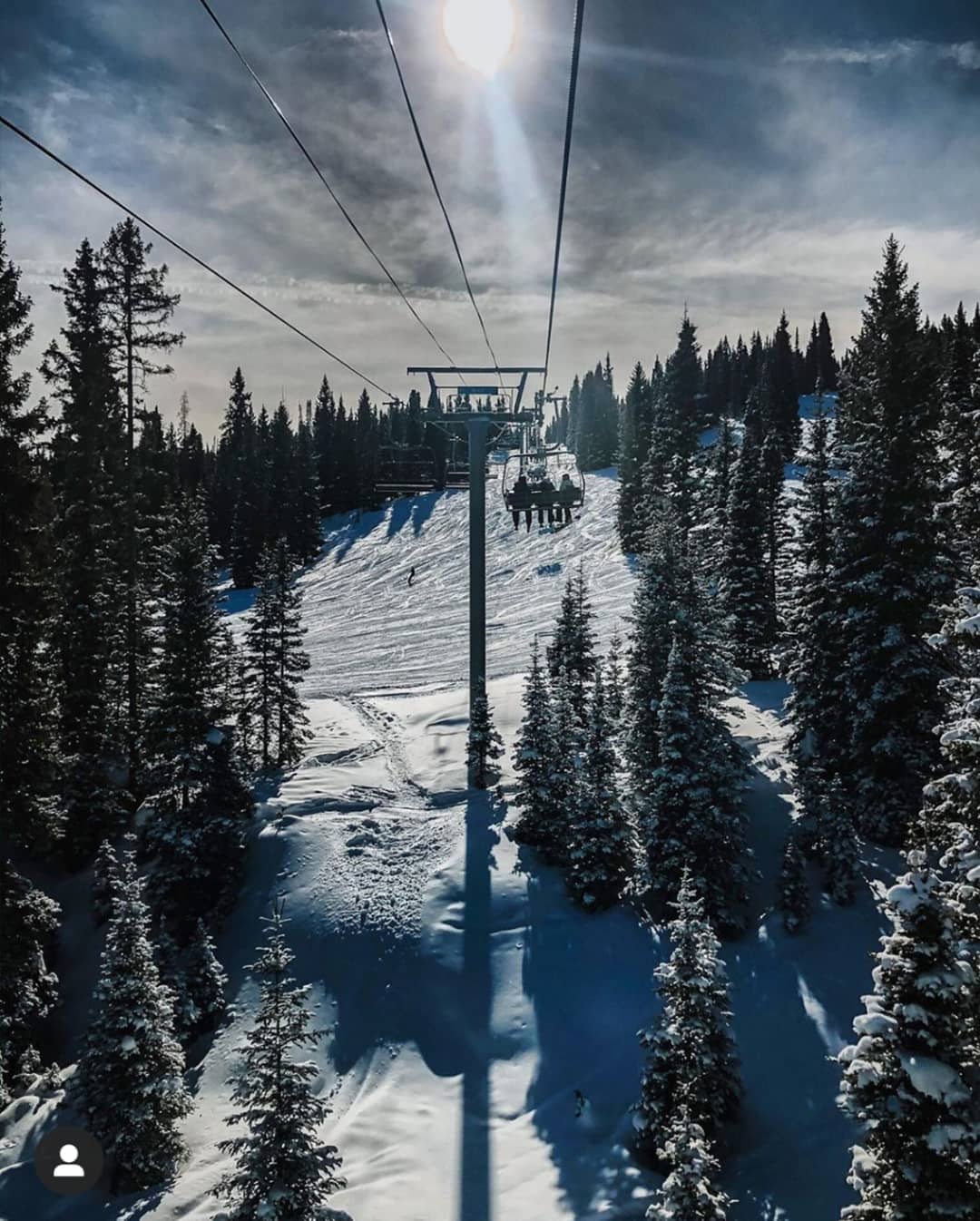
- Winter is a different town entirely: snowbound and quiet, with Kendall Mountain's small ski hill running and far fewer rooms in service. Confirm what's open before you plan around it.
- Spring is mud season — the calmest and cheapest window, with the high country still under snow.
Whatever the season, respect the altitude. Silverton sits higher than almost anywhere most visitors sleep. Drink more water than feels necessary, take the first day easy, and expect cool nights even in July.
What to know before you book
A few practical realities of a small mountain town that are easier to plan around than to discover on arrival:
- Peak weekends can carry minimum-night stays. On busy summer weekends and around festivals, some properties ask for two nights. If your trip is a single Saturday, book early and ask.
- On-site parking is a real perk here. The independent motels generally put your car (or truck-and-trailer) right outside the room — a genuine convenience when you're staging for the Alpine Loop or unloading a dog and a week of gear. Confirm trailer space if you're towing.
- Cell service is patchy on the way up. Both the canyon (by train) and the passes (by highway) have long dead zones. Download directions and confirmations before you leave Durango.
- Off-season, the town runs on a shorter clock. Outside peak summer, some restaurants and services keep limited hours or close for the shoulder seasons. Check what's open if you're visiting in spring or late fall.
- Bring a card and some cash. It's a small town; a little cash smooths over the occasional card-only-at-the-counter or cash-only-here moment.
A base for the wider San Juans
Silverton isn't only a destination — it's a doorway. From town, the Alpine Loop climbs to 12,000-foot passes and ghost towns toward Lake City; the Million Dollar Highway continues north to Ouray, the "Switzerland of America"; and the whole high country of the San Juans opens up for hiking, fishing, and photography. Staying in Silverton rather than day-tripping means you wake up already at the trailhead instead of an hour below it. For anyone chasing the high mountains, that head start is the entire argument for the overnight.
Matching a motel to your trip
- OHV or Jeep trip on the Alpine Loop? Triangle Motel — pet-friendly, next to fuel and supplies, built for the trailer-and-trail crowd.
- Budget trip, everything on foot? Prospector Motel — central, simple, easy on the wallet.
- Want the historic, quieter side of town? Kendall Mountain Lodge — Blair Street character, a block off the bustle.
Common questions
Where should I stay in Silverton, Colorado? In or just off Greene Street if you want to walk to everything, or a block over on Blair Street for a quieter, more historic feel. The town is small enough that "walkable" describes essentially all of the central motels.
Are there pet-friendly motels in Silverton? Yes — the Triangle Motel on Greene Street is pet-friendly and a common pick for travelers road-tripping with a dog.
Can I do Silverton as a day trip instead? Easily — many people ride the train up and back or drive the loop in a day. But an overnight lets you have the town after the day crowds thin out, and it's the only sane way to get an early start on the Alpine Loop. See day trips from Durango.
How far is Silverton from Durango? About 45 miles by the Million Dollar Highway — roughly an hour's drive, longer if weather or the switchbacks slow you down, and about half a day by train each way.
Is it hard to find lodging in Silverton? In peak summer, yes, if you wait. The town has a limited room count and no chain overflow, so the good independent motels book out. Reserve ahead.
Building the rest of the trip
Silverton pairs naturally with the wider Durango region — the narrow gauge train, the drives and day trips, and a base night or two in Durango itself on either end. Browse the full where to stay options and the things to do listings to round out the itinerary. However you build it, book the Silverton night first — it's the room that runs out.