Few experiences capture Durango the way the train does. Climb aboard the Durango & Silverton Narrow Gauge Railroad and you're not sightseeing from behind glass — you're riding a piece of working history into the San Juan Mountains, pulled by a coal-fired steam locomotive on track that was spiked down in the early 1880s. The whistle echoing off canyon walls, the smell of coal smoke, the slow climb above the Animas River: this is the signature Durango experience, and it earns the title honestly. Here's everything worth knowing before you book — and a few things most first-timers wish they'd known sooner.
What you're actually riding
Start with the words in the name, because they're doing real work. Narrow gauge means the rails sit closer together than standard track — a design choice that let railroad builders of the 1880s thread curves and canyons that standard-gauge lines simply couldn't manage. That's the only reason a railroad exists in this country at all. The line from Durango to Silverton was built to haul silver and gold ore out of the mountains, and it was completed with astonishing speed by crews working through some of the most stubborn terrain in Colorado.
What's remarkable isn't that the line was built. It's that it never stopped running. The locomotives are genuine coal-fired steam engines, maintained and operated much as they always have been, and the route is designated a National Historic Landmark. When the engine leans into a grade and steam billows past your window, you're getting the same show passengers got when Grover Cleveland was president. There's a railroad museum at the Durango depot worth arriving early for — the roundhouse collection rewards even a quick walk-through.
The route: Durango to Silverton, the hard way
The classic journey runs about 45 miles from Durango's historic depot north to the old mining town of Silverton, and the mileage badly undersells it. The train starts in town, rolls through the Animas Valley's ranchland, and then commits to the canyon — climbing along ledges where the Animas River churns far below and the canyon walls close in tight enough that you could toss a pinecone across.
The stretch locals call the High Line is the one you'll remember: the track rides a shelf blasted out of sheer granite, and the drop from your window to the river is the kind of view that goes quiet through the whole car. There is no road through this section of the canyon. No highway parallels it. The country between Durango and Silverton belongs to the train, to rafters, and to backpackers — which is exactly why the ride feels like time travel rather than transportation.
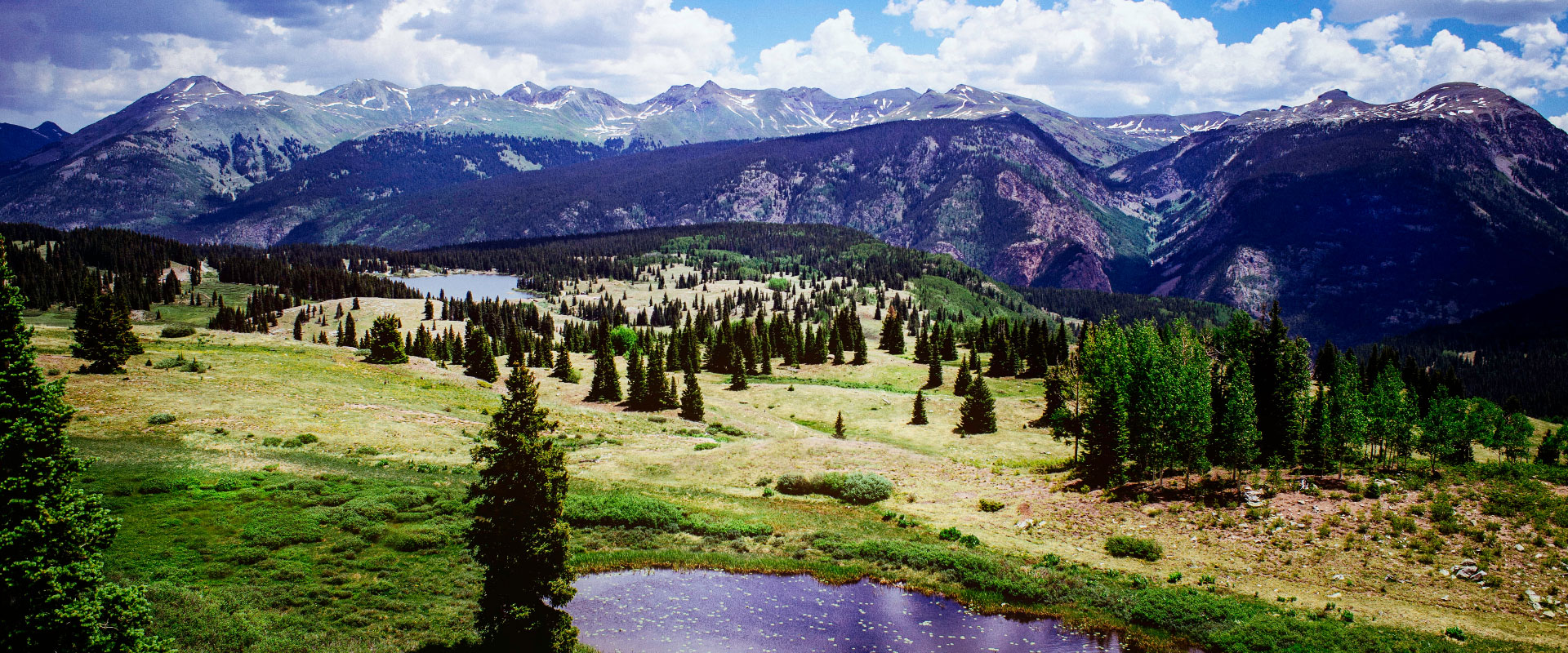
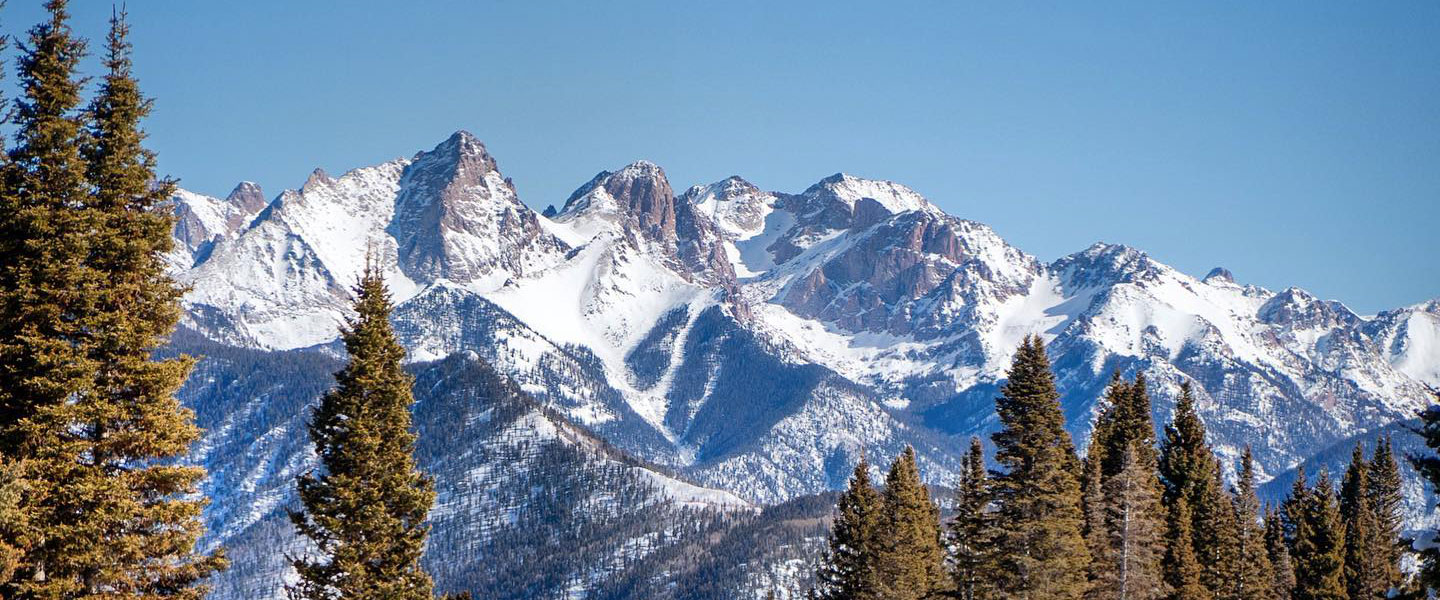
The pace is unhurried by design. You'll have hours to watch the country change from valley cottonwoods to spruce and aspen to the raw, high peaks around Silverton — a mountain town sitting well above 9,000 feet, where the air is thinner and the summer is short.
Summer, winter, and the runs in between
The railroad operates year-round, but the experience changes with the season, and it's worth matching the trip to the calendar.
- Summer is the marquee season — the full run to Silverton with a layover in town before the return. Long days, green canyon, high water in the Animas early in the season. It's also peak demand, so book accordingly.
- Fall may be the connoisseur's pick. The canyon's aspen groves turn gold in late September and early October, and the combination of steam, granite, and glowing aspens is as photogenic as Colorado gets. Our fall colors guide covers timing the peak.
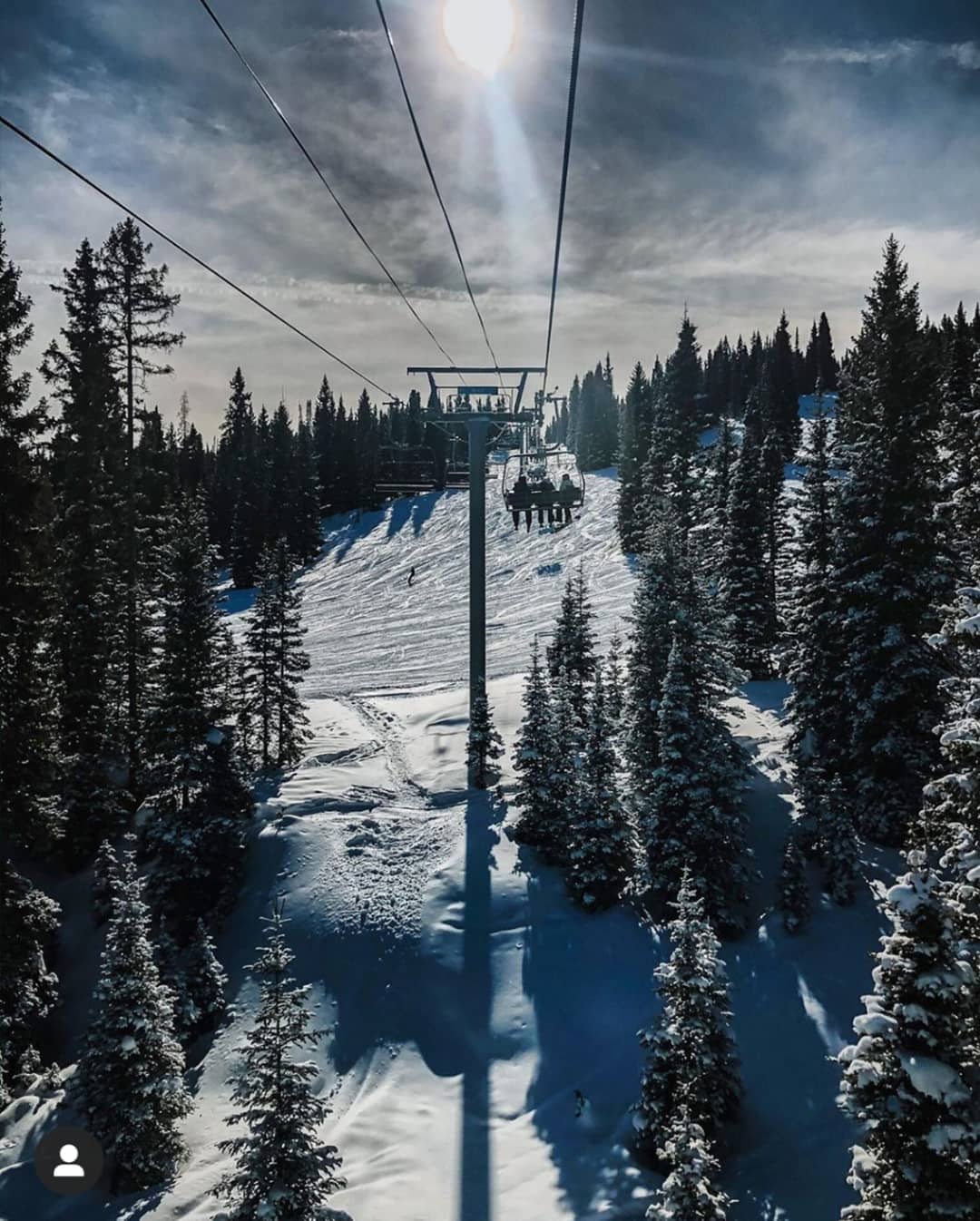
- Winter brings the Cascade Canyon runs — a shorter round trip into the snow-draped canyon rather than the full push to Silverton. It's a different mood entirely: quieter, frostier, and arguably more atmospheric. Pairs beautifully with a winter trip built around skiing.
- Spring sits between the two, with snowmelt swelling the river below the tracks.
Schedules, routes, and run lengths genuinely change through the year — confirm current departures and pricing directly with the railroad before you build your day around it.
Picking your car: the decision that shapes the whole ride
Not all seats on this train are the same experience, and this is the choice first-timers most often get wrong.
- Open-air gondola cars are the move for photographers and anyone who wants the full sensory version — unobstructed views, canyon air, the sound of the engine working. The trade-off is real: you're exposed to weather, and coal-fired locomotives occasionally shed fine cinders that drift back through open cars. Sunglasses help more than you'd think.
- Enclosed coaches offer classic windowed comfort — warmer, calmer, better for small kids or anyone who runs cold. On winter runs, enclosed is the sensible default.
- Premium classes exist in several flavors and typically add roomier seating and service. Whether that's worth it is a personal call; the canyon looks the same from every class.
One honest tip on seating: everyone asks which side of the train to sit on. The river and the steepest drops spend more time on one side heading north, but the views trade sides repeatedly as the line crosses and recrosses the canyon. If the view is the whole point for you, the open gondola solves the problem better than any seat assignment can.
Booking strategy
This is one of Durango's flagship attractions, and summer seats genuinely sell out — especially mid-summer weekends and holiday windows.
- Book ahead for summer. Weeks ahead if your dates are fixed; further out for premium cars and peak weekends.
- Shoulder seasons are kinder. Late spring and fall typically offer better availability and a calmer depot.
- Consider the train-up, bus-back option. Many riders take the rails to Silverton and return by motorcoach on the highway. You trade the second canyon passage for about an extra hour in Silverton and a dramatic drive back over the passes — a genuinely good itinerary if a full day of round-trip riding sounds long, particularly with kids.
- Build margin into your day. Arrive early — the depot at the south end of Main Avenue gets busy before departures, and you'll want time for the museum and a coffee rather than a sprint to the platform.
Making the most of the Silverton layover
Silverton is not a whistle-stop; it's the reward. The standard layover gives you a couple of hours in a former mining town that looks like a Western film set because, functionally, it is one — false-fronted buildings, dirt side streets, and 13,000-foot peaks crowding the horizon in every direction.
Use the time deliberately:
- Eat first. The whole train empties into town hungry at the same moment. Beat the rush by picking your lunch spot as you walk in rather than browsing for twenty minutes.
- Walk one block off the main drag. Greene Street gets the crowd; the side streets get the photographs.
- Mind the altitude. You've gained a lot of elevation since Durango. Drink water, take the hills slowly, and expect the sun to feel stronger.
- Watch the clock. The return departure is firm, and the conductor's whistle waits for no one.
Staying overnight in Silverton
The standard layover is short by design, but Silverton rewards anyone who slows down — and plenty of visitors do exactly that, riding the train up and staying the night, or driving up the Million Dollar Highway and using the train as a day-trip from town instead. Stay over and you get Silverton after the afternoon crowd rolls out: quiet streets, an unhurried dinner, and a genuine early start if the Alpine Loop or the high country is on your list.
Lodging in town is a handful of small, independently run motels within walking distance of Greene Street. The Triangle Motel (848 Greene Street) is pet-friendly and sits next to a fuel-and-supply stop, which makes it the easy pick for anyone towing a Jeep or side-by-side. The Prospector Motel (1015 Greene Street) is as central and budget-friendly as it gets. And the Kendall Mountain Lodge (1025 Blair Street) puts you on Silverton's historic side street, a block off the bustle. Rooms are limited and summer weekends book out, so reserve ahead — our full where to stay in Silverton guide breaks down which motel fits which trip.
What to wear and bring
Mountain weather is the one variable you can't book around, and the canyon manufactures its own.
- Layers, always. A warm morning at the Durango depot can turn into a chilly, breezy afternoon at Silverton's elevation — and open cars amplify every degree. A packable shell earns its space in every season.
- Sun protection. High-altitude sun is stronger than it feels, especially in open cars.
- Water and snacks. It's a long, dry ride, and options aboard are limited compared to what your daypack can carry.
- A camera you can grip. The best shots come on curves, when the engine swings into view ahead of your own car. Keep a hand on your hat in the gondolas — the canyon wind collects souvenirs.
Is it worth it with kids?
Genuinely yes, with honest caveats. The train itself is a hit with most kids — it's a real steam engine, and the canyon drama lands at every age. The full Silverton round trip, however, is a long day of sitting for younger children. Families with little ones often do better with the winter Cascade Canyon run, the bus-return option, or simply front-loading expectations and snacks. Our Durango with kids guide slots the train into a broader family trip.
Building the rest of your day around the train
The depot anchors the south end of Durango's historic Main Avenue, which makes bracketing the ride easy — and the bracketing is half the fun.
- Before an early departure: coffee and something baked from a downtown coffee shop — the walk up Main Avenue in morning light is its own small event.
- After the return: you'll come back hungry. Downtown's restaurants are steps from the platform, and the eat & drink listings cover everything from green chile to white tablecloths. A post-train dinner and a slow walk down Main is the classic finish.
- Stay near the depot if you can. Walking to a morning departure beats parking logistics every time. The Strater Hotel and the General Palmer are Victorian-era hotels within steps of the platform — sleeping in a 19th-century hotel before boarding a 19th-century train is thematically perfect. More options in our where to stay guide and the stay listings.
Common questions, answered plainly
How long is the trip? Plan on a full day for the summer Silverton round trip — the ride each way is measured in hours, not minutes, plus the layover. The winter Cascade Canyon run is shorter, but still the day's centerpiece.
Do I need to book in advance? In summer, yes — treat it like booking a popular flight. Off-peak, you have more flexibility, but the good cars still go first.
Which season is best? There's no wrong answer. Summer for the full Silverton experience, fall for the aspens, winter for snow and atmosphere. If you can only come once and hate crowds, aim for late September.
Is the open car worth the cinders? For photographers and view-chasers, absolutely. For anyone cold-prone or riding in winter, take the coach and enjoy the windows.
Can I do the train and Mesa Verde in one trip? Comfortably, with two days — the train takes one, and day trips from Durango covers the rest of the region. Our 3-day itinerary threads both together.
The Durango & Silverton isn't a ride you squeeze in — it's the spine you build a Durango day around. Reserve your seats, dress for the mountains, arrive early enough to smell the coal smoke before you hear the whistle, and let the steam do the rest. For everything surrounding the ride, start with the full list of things to do — but know that this one sits at the top for a reason.