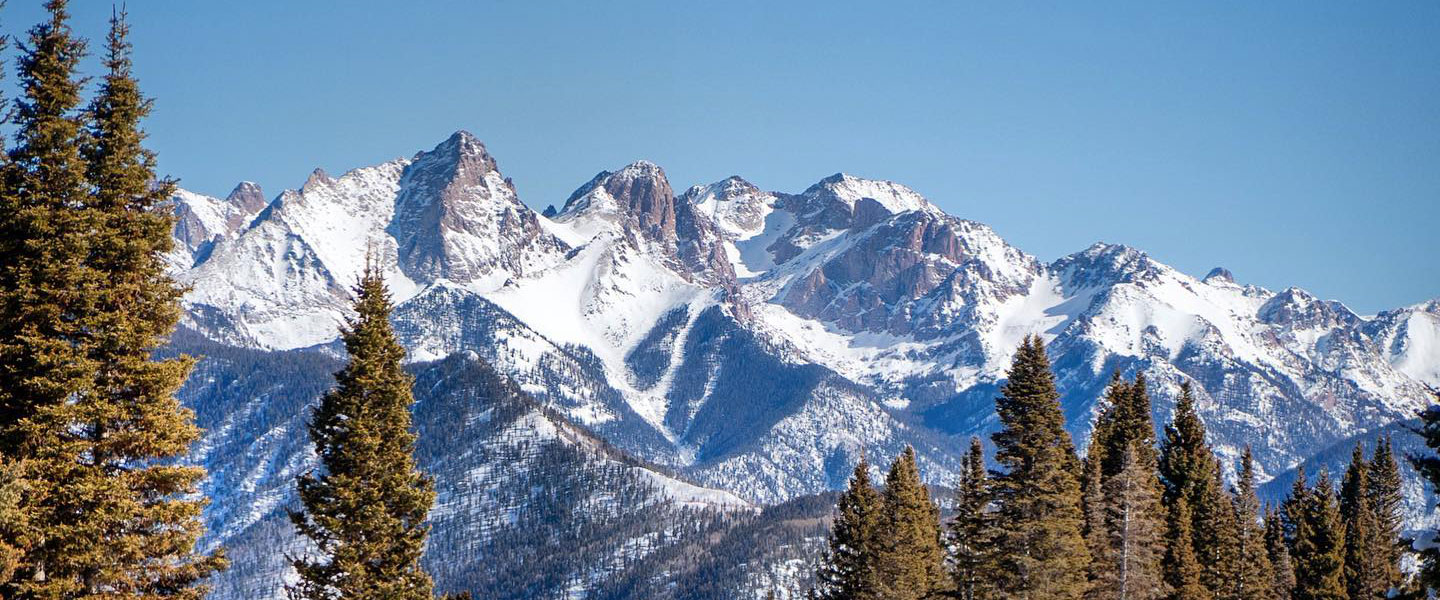
Silverton is a mining town that ran out of mines and never got around to becoming anything else. It sits just over 9,300 feet at the head of the Animas River valley, a dozen square blocks of false-fronted buildings hemmed in by 13,000-foot peaks on every side. The downtown is a National Historic Landmark district. One street is paved. Most visitors arrive by steam train or over a mountain pass, spend two hours, and leave wishing they had given it a day.
That is the real advice in this guide. Silverton is small, but the country it opens onto is enormous, and the gap between a layover and an overnight is the gap between seeing the town and actually using it. Here is what is worth doing, roughly in the order most people run into it.
The arrival counts as an activity
There are two classic ways into Silverton from Durango, and both are things to do rather than ways to get somewhere.
The Durango & Silverton Narrow Gauge Railroad climbs 45 miles up the Animas canyon behind a coal-fired steam locomotive, on track spiked down in the 1880s. No road goes through that canyon. The train sets you down at the north end of town with a couple of hours before the return whistle, which is exactly enough time to eat and walk and nowhere near enough for anything else.
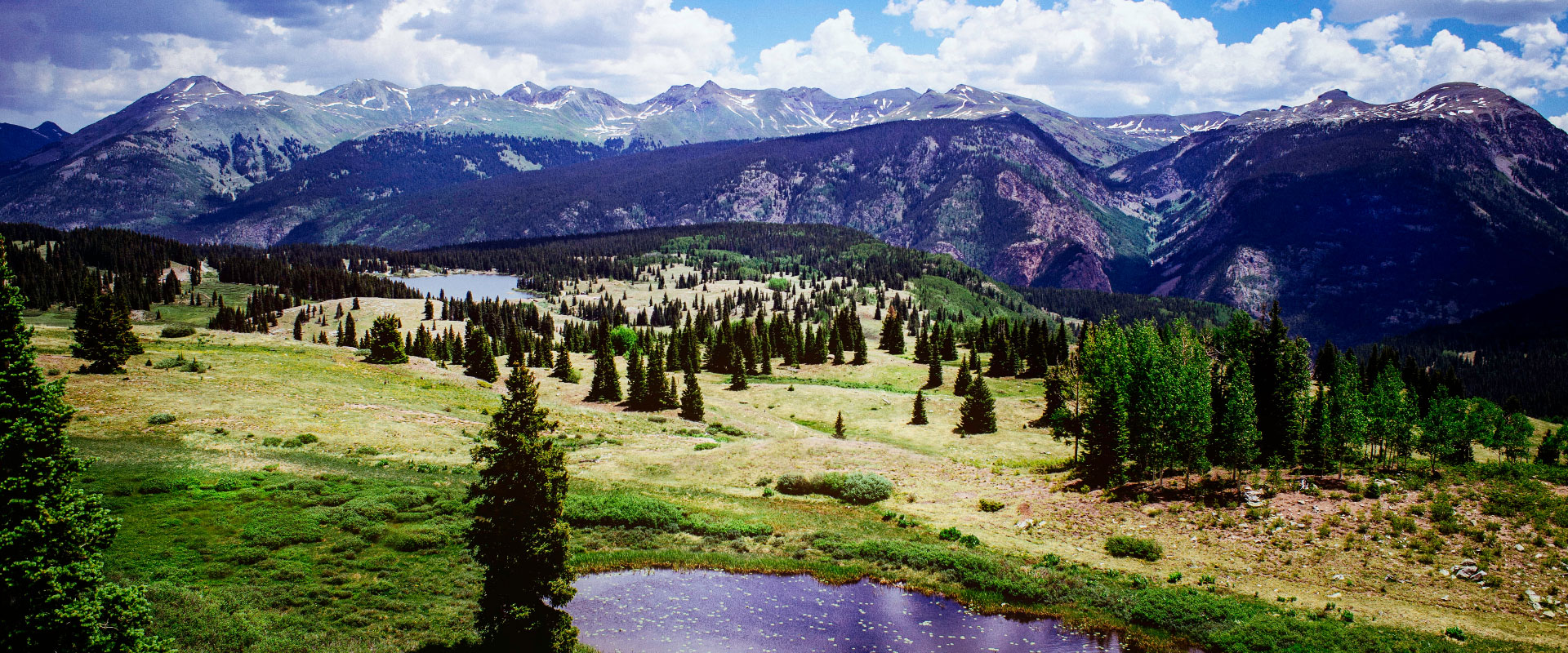
The other way in is US-550, the Million Dollar Highway. From Durango you cross Coal Bank Pass at 10,640 feet and Molas Pass at 10,910 feet, and the pull-off at Molas looking down into the Animas gorge is one of the great roadside views in Colorado. North of town the highway climbs Red Mountain Pass at 11,018 feet toward Ouray, and that stretch — cut into cliff, guardrail-free in places, switchbacked hard — is the piece people mean when they say Million Dollar Highway. Drive it in daylight, unhurried, and stop often. Our day trips from Durango guide covers the full loop.
Walk Greene Street, then walk Blair Street
Greene Street is the main drag and the only paved one: restaurants, outfitters, gear shops, the visitor center, and most of the town's daily business, all in a stretch you can cover on foot in fifteen minutes. Do it slowly. The building fronts are the point — an intact Victorian-era commercial block that survived largely because the town was too remote and too broke to modernize it.
Blair Street runs one block over and is unpaved. In the mining era it was Silverton's notorious side, all saloons and gambling halls and the trade that follows a miner's payroll, and it has stood in for the Old West in more than one film for exactly the reason you would guess. It is quieter than Greene today and much better for photographs, especially early, when the light comes over the peaks and the street is empty.
Two more downtown stops worth the walk: the San Juan County Historical Society's museum, housed in the old county jail, and the Christ of the Mines Shrine on the hillside above town — a short, steep climb that pays out with the best free overlook of the valley you will find.
Drive or ride the Alpine Loop
If Silverton has a signature activity beyond the train, this is it. The Alpine Loop Backcountry Byway is a 65-mile network of old mining roads linking Silverton, Lake City, and Ouray over two passes above 12,000 feet — Cinnamon Pass at roughly 12,640 and Engineer Pass at roughly 12,800. This is high-clearance four-wheel-drive terrain, not a scenic drive in a rental sedan, and the full loop is a committing day.
The most popular target from the Silverton side is Animas Forks, a preserved ghost town about twelve miles up the valley at around 11,200 feet. Roofless miners' cabins, a famous bay-windowed house, and a basin that snows in early — it is one of the more approachable ghost towns in the state, and the road to it is the gentlest part of the loop.
This is also why Silverton fills with Jeeps and side-by-sides all summer. Rental outfitters work out of town, guided tours run daily in season, and there are stretches of July when the streets carry more OHVs than cars. The passes are snowbound most of the year: the loop typically opens sometime in late spring or early summer and closes with the first serious storms of fall. Check current conditions with the BLM or the Forest Service before committing to a route, because the opening date moves by weeks from one year to the next.
Get up high on foot
The hiking around Silverton is why a lot of people come back.
- Ice Lake Basin, west of town off South Mineral Creek, is the famous one — a hard, sustained climb to an alpine lake whose color does not look real in photographs and looks less real in person. It draws a crowd, so an early start is not optional in summer. Part of the drainage burned in a 2020 fire; confirm current trail and access status before you drive out.
- Molas Pass and Little Molas Lake, south of town on US-550, put you straight onto the Colorado Trail and the Continental Divide Trail. Walk as far as you like and turn around. The first mile alone justifies the stop.
- Kendall Mountain rises about 13,000 feet directly above town, and the route to its summit is a Silverton institution — it is also the course of an annual mountain run held each summer. Take it seriously: close to 3,800 feet of gain from a start line already at 9,300.
Whatever you pick, respect where you are. Afternoon thunderstorms build fast in late July and August, and the San Juan monsoon is reliable enough to plan around. Start early, and be off ridgelines by early afternoon.
Go inside the mining history
Silverton is one of the few places where the mining story is more than interpretive signage.
The Mayflower Mill — the Shenandoah-Dives Mill, a National Historic Landmark just outside town — is an intact ore-processing mill you can walk through, following the path rock took from the tram to the concentrate. It is the best surviving example of its kind in the region, and it is genuinely startling how much machinery still stands where it stopped.
The Old Hundred Gold Mine Tour rides a tram into Galena Mountain and takes you down a working tunnel, at the temperature a mountain actually is inside. It is a good hour and it lands well with kids.
Both are seasonal — open in summer, closed through the winter — so confirm dates and times before you build a day around them.
Winter is a different town
Most Silverton coverage stops at Labor Day, which is a mistake if you like quiet.
In winter the town shrinks back to its year-round population, the railroad runs a shorter route up the canyon rather than the full push to Silverton, and Red Mountain Pass closes for avalanche control often enough that you should check CDOT before driving up from Ouray.
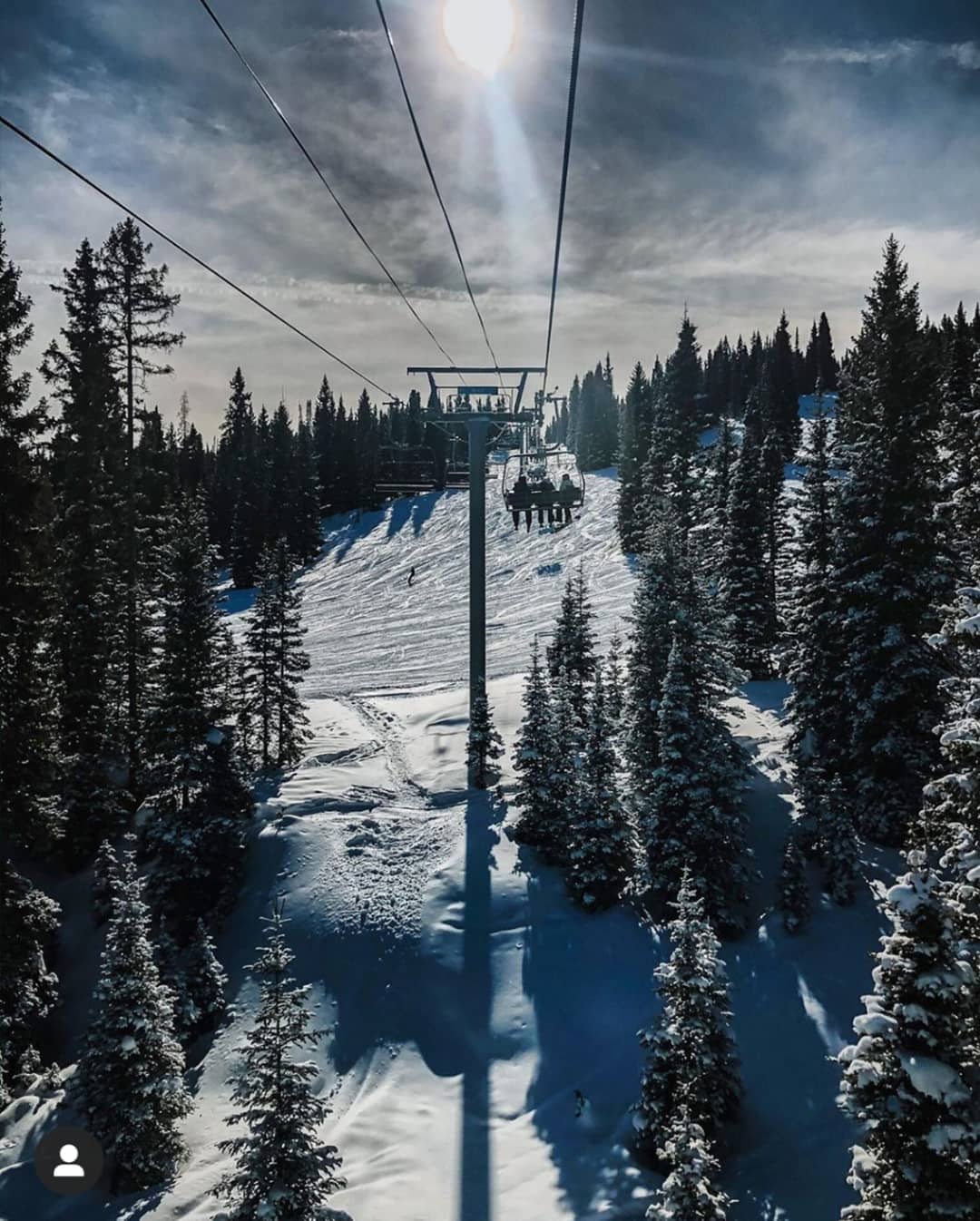
What is open earns the trip. Kendall Mountain runs a small community ski hill at the edge of town: a couple of lifts, no lift lines, and prices from another decade. Silverton Mountain, north of town, is the other extreme — expert-only, ungroomed, avalanche-gear-required terrain run in guided and unguided seasons, and one of the most serious lift-served mountains in North America. It is not a place to learn. For the wider picture down valley, see Durango in winter.
Where to stay while you explore
Two hours is the layover. A night is the trip. Stay over and you get Silverton after the last train pulls out — empty streets, an unhurried dinner, and the only sane way to be standing at an Alpine Loop trailhead at sunrise instead of an hour below it.
Lodging here is a short list of small, independently run properties, most within a few blocks of Greene Street. There are no chain towers and no overflow valve, which is both the charm and the catch: on a July weekend the good rooms in Silverton, CO go first and stay gone. Book before you finalize anything else.
Three motels anchor the walkable core, and they suit different trips:
- Triangle Motel, 848 Greene Street, (970) 387-5780 — pet-friendly, with an ADA-accessible room, and set up for the way a lot of people actually do Silverton: a Jeep or side-by-side on the trailer and a dog in the back seat. It sits next to Station 550 North, the fuel and convenience stop, which matters more than it sounds like it should when you are staging for the Alpine Loop at six in the morning.
- Prospector Motel, 1015 Greene Street, (970) 387-5466 — central and budget-friendly, a short walk from the shops and restaurants. A clean room, a fair price, everything on foot: the uncomplicated pick.
- Kendall Mountain Lodge, 1025 Blair Street, (970) 844-6465 — on historic Blair Street, named for the peak standing over town, and leaning into mountain-lodge character. One block off the Greene Street foot traffic, still an easy walk to dinner.
Quick version: Triangle for the trailer-and-dog trip, Prospector for budget and walkability, Kendall Mountain Lodge for Blair Street character. For a fuller breakdown of Silverton, Colorado lodging — how the two streets differ, when to book, and which property fits which kind of trip — read our where to stay in Silverton guide. Basing down valley instead? The stay listings and our Durango lodging guide cover that end.
Practical notes
- Altitude is what people underestimate. You are sleeping higher in Silverton than almost anywhere else you have slept. Drink more water than feels reasonable, take the first day easy, and do not schedule your hardest hike for the morning after you arrive.
- The season is short and sharp. Late June through early September is when everything is open and everything is full. September brings aspen gold and thinner crowds — our fall colors guide covers the timing. October through May the town runs on a much shorter clock.
- Cell service is unreliable on both approaches. Download directions and confirmations before you leave Durango.
- Layers and sun protection, every season. A 75-degree afternoon and a 40-degree evening is an ordinary July day up here, and high-altitude sun is stronger than it feels.
- Carry a little cash. Small town, occasional card-machine outages.
Common questions
What are the best things to do in Silverton, Colorado? Ride the narrow gauge train up, walk Greene and Blair Streets, get onto the Alpine Loop by Jeep or side-by-side, hike toward Ice Lake Basin or the Colorado Trail at Molas Pass, and tour the Mayflower Mill or the Old Hundred mine. In winter, swap the loop for skiing at Kendall Mountain or Silverton Mountain.
How long do I need? A train layover gives you about two hours, enough for lunch and a walk. One night buys a real hike or a half day on the loop. Two nights is where the high country actually opens up.
Are there hotels in Silverton, or just motels? Lodging is mostly small independent motels and historic properties rather than the chain hotels you would find in Durango — that is the character of the town. See the three above, or our where to stay in Silverton guide for the full rundown of places to stay in Silverton, CO.
Can I bring my dog? Yes, and plenty of people do. The Triangle Motel on Greene Street is pet-friendly and a common pick for travelers road-tripping with a dog. Keep in mind that much of the high country around town is public land with its own leash and access rules.
Is there anything to do in Silverton with kids? The train, the Old Hundred mine tour, and the ghost town at Animas Forks all land well. Pace the days around the altitude and keep the driving stretches short.
Do I need a Jeep? For the Alpine Loop passes, yes — high-clearance four-wheel drive, or a rented side-by-side. Plenty of Silverton works fine from a passenger car: the town itself, the passes on US-550, Molas Lake, and the Mayflower Mill are all reachable on pavement.
Is Silverton worth it as a day trip from Durango? It is the classic one. But the town is better after the day crowd leaves, which is the whole argument for the overnight.
Silverton rewards the people who slow down. Ride up, walk the two streets, get high enough to see what the mining companies were chasing, and give yourself the night. For the rest of the region, start with the full list of things to do and our best things to do in Durango roundup — but Silverton is the one people talk about on the drive home.