Most of Colorado's fifty-plus fourteeners sit a couple of hours from Denver, ringed by trailhead lots that fill before sunrise. The San Juans don't work like that. The 14,000-foot peaks northeast of Durango are among the most remote high summits in the state — no road to the trailhead, no crowds on top, and, famously, reached by riding a coal-fired steam train into the wilderness and stepping off in the middle of nowhere. This is the guide to climbing them from Durango: which peaks, how you actually reach them, and what the mountains ask of you before they let you up.
The Durango fourteeners are the Chicago Basin three
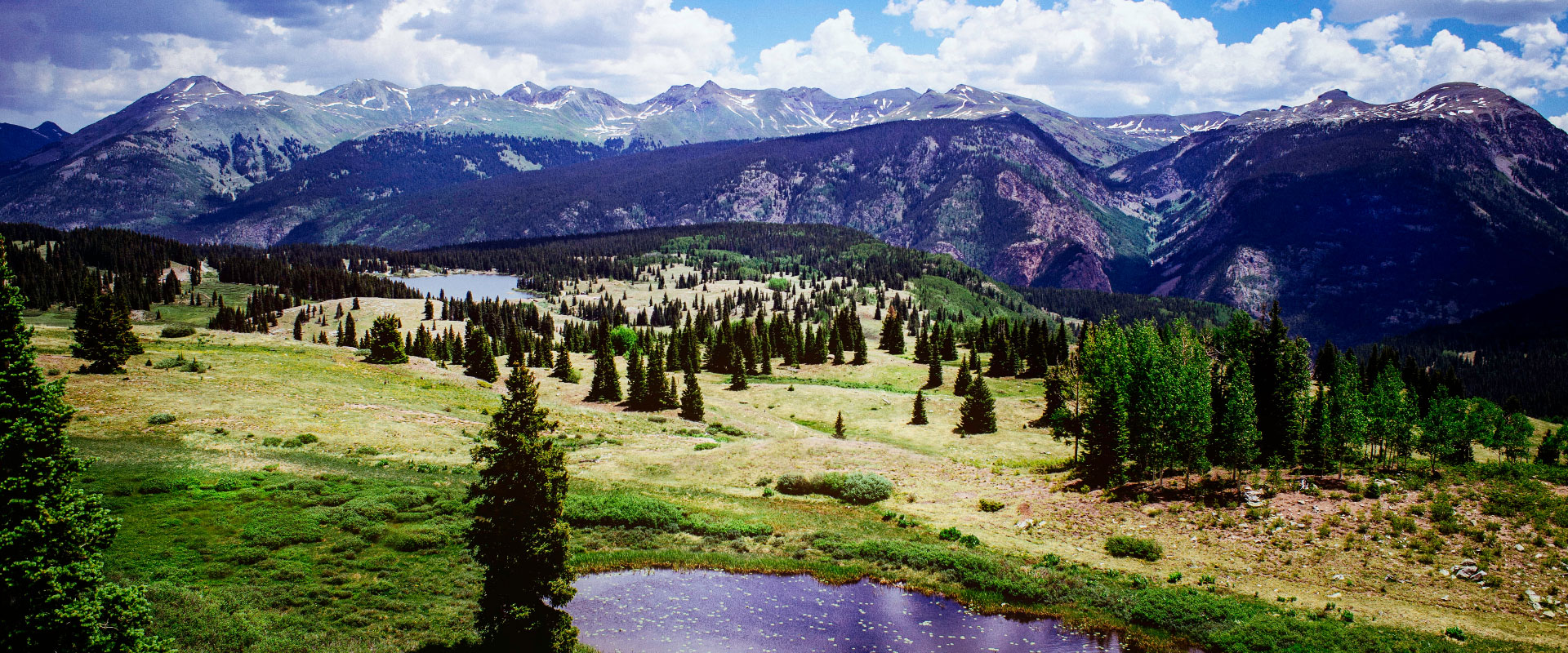
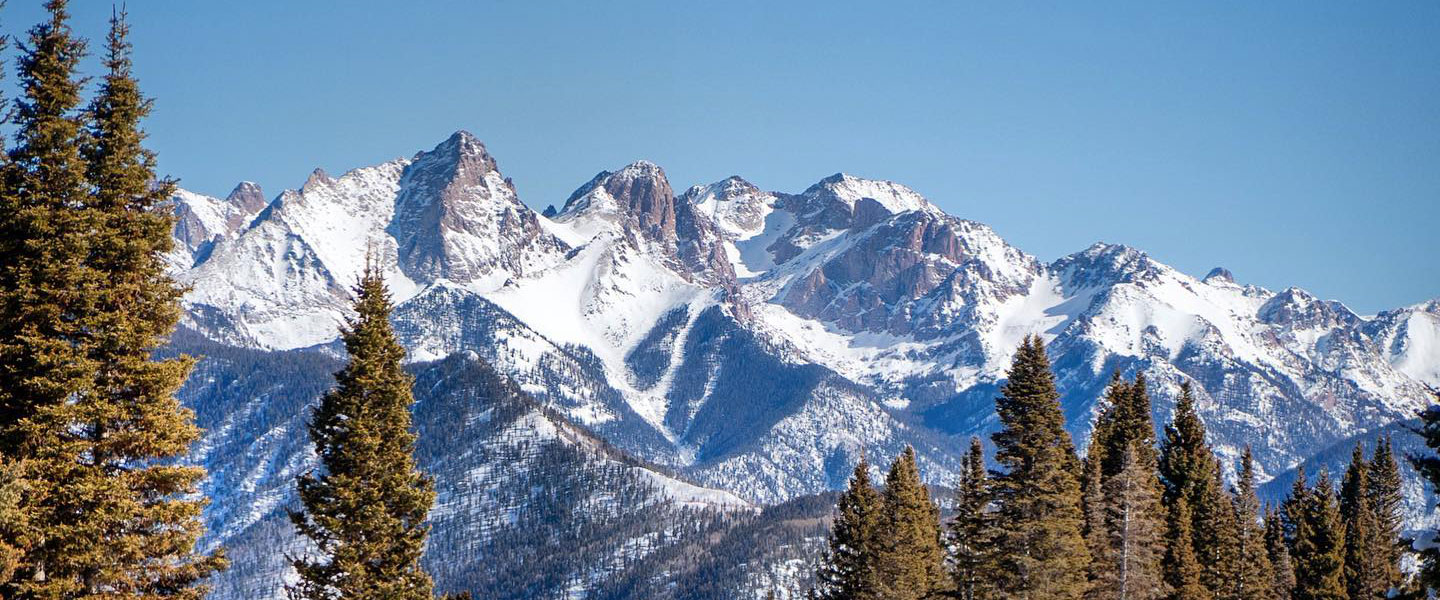
When people say "14ers near Durango," they almost always mean one place: Chicago Basin, tucked deep in the Weminuche Wilderness northeast of town. Three named fourteeners ring the basin — Mount Eolus at 14,083 feet, Windom Peak at 14,082, and Sunlight Peak at 14,059 — packed close enough together that fit, well-acclimatized climbers routinely tag all three in a single long day from a basin camp. A fourth top, North Eolus (14,039), sits a short ridge scramble off Mount Eolus and often gets bagged on the same push. What sets these peaks apart isn't the elevation. Plenty of Colorado summits stand taller. It's the isolation. You cannot drive to the trailhead, and that's the whole appeal.
Getting there: the train drops you in the wilderness
Here's the part that makes these mountains unlike any others in the state. The classic approach rides the Durango & Silverton Narrow Gauge Railroad — the same historic tourist train most visitors board just for the scenery. Backpackers flag it and ride to Needleton, an unmarked stop down in the Animas River canyon. No town. No platform. Just a footbridge across the river and a trail heading up. From there it's roughly six miles and about 3,000 feet of climbing along the Needle Creek Trail into Chicago Basin, where nearly everyone pitches a base camp before going for the summits. Reserve the train ahead, tell them you're a backpacker getting off at Needleton, and lock in your pickup day on the way in. Miss the last train out and you are walking a very long way back to a road. You can also hike in on foot from the Purgatory area without the railroad, but that piles on many extra miles, and most people are happy to let the train do the ugly part.
How hard are they, honestly
None of the Chicago Basin peaks is a walk-up. Windom and Eolus are both Class 3 — real hands-on scrambling with exposure, the sort of terrain where a slip has consequences. Sunlight is the one climbers trade stories about: its true summit finishes with a short, airy move over a gap that turns back plenty of otherwise-strong hikers, and there is no shame in touching the block just below the top and calling that your summit. If you have never scrambled Class 3, these are not the peaks to learn it on. Go with someone who has, or hire out. Meraki Mountain Adventures runs guided backcountry trips in the San Juans, and Weminuche Wilderness Outfitters can pack your gear in by horse so you're not hauling a full expedition load over that six-mile approach.
Altitude is the quiet crux
The scrambling gets the attention. Altitude does the actual damage. Durango sits around 6,500 feet, your basin camp lands near 11,000, and the summits push past 14,000 — a lot of vertical for a body that flew in from sea level two days ago. Give yourself time. Spend a night or two in Durango or up in Silverton before the climb, hydrate harder than feels necessary, and treat a pounding headache, nausea, or a night of no sleep as the mountain telling you to descend, not to push. Altitude sickness doesn't care how fit you are, and the only reliable cure is going down.
Start early, because the sky is on a schedule
This is the single most important timing rule in Colorado's high country: be on the summit by noon and off the exposed ridges before the afternoon builds. Summer mornings in the San Juans start clear and calm, then stack up thunderheads by early afternoon, and lightning above treeline is not a risk you negotiate with. From a Chicago Basin camp that usually means a headlamp start — moving by four or five in the morning so you're heading down while the sky is still friendly. A bluebird dawn is not a promise the afternoon will keep.
The goats own the basin
Chicago Basin comes with a local quirk worth knowing before you arrive: a resident herd of mountain goats so habituated to backpackers that they'll wander straight through camp. They're after salt, which means they're drawn to sweat, gear, and — bluntly — the places people pee. Store your trekking poles and pack straps where a goat can't chew them, and follow the wilderness guidance to urinate on rocks well away from camp so the goats aren't tearing up the fragile tundra to get at it. They're a photo, not a threat, but give them room.
What to pack, and where to grab it
This is a scrambling trip at altitude, so the kit runs heavier than a day hike: a bear-aware food setup, a real rain shell, layers for a camp that can drop below freezing even in July, sturdy shoes with grip for granite, and a helmet if you're honest about the rockfall on those upper pitches. Forgot something, or flew in light? Backcountry Experience on Camino del Rio carries the technical gear, and Durango Outdoor Exchange is the spot for good used equipment if you'd rather not pay full price for a one-trip layer.
When to go
The realistic window is short — roughly early July through mid-September, once the high snow has melted out of the couloirs and before it returns. June often still holds steep snow on the upper routes that turns a scramble into a mountaineering problem, and by late September the weather gets unreliable fast. Always check current conditions and the train schedule before you commit; both shift year to year, and the railroad's backpacker service runs a seasonal calendar of its own.
Other San Juan fourteeners within reach
Chicago Basin is the headline, but it isn't the only game in the region. Handies Peak, around 14,050 feet, is one of the gentlest fourteeners in the state — a Class 1-to-2 walk-up from American Basin over near Silverton and Lake City, doable in a day if you don't mind the long, rough drive to the trailhead. Farther out, the Wilson group above Telluride (Mount Wilson, El Diente, and Wilson Peak) and the Lake City cluster (Uncompahgre, Wetterhorn, Redcloud, Sunshine) round out the southwest Colorado high peaks, though most of those make more sense from a base other than Durango. If you're chasing summits beyond the basin, Silverton is the better launch pad — read our Silverton guide for that side of the range.
Where a climb like this fits
A Chicago Basin trip is not a casual add-on to a sightseeing week — it's the reason you came, and it deserves a recovery day on the back end. A soak does real good after three days on granite; our hot springs guide covers where to go once your legs are done. If you're building the rest of the visit around the climb, our where to stay in Durango guide sorts the lodging, and the 3-day Durango itinerary and best things to do in Durango guides show where the softer days land on either side of a hard one. Browse tours and outfitters if you'd rather climb with a guide, and start the rest of your things to do planning once you're safely back below treeline.