Pagosa Springs is the easiest big day out from Durango: an hour and a quarter east, a hot-spring town built around the deepest geothermal spring in the world, and a few stops on the way that deserve more than a glance. Leave early, stop at Chimney Rock if it's open, soak in the afternoon, and you'll be back for a late dinner. This guide is a plan, not a list, and it adds the stops our Durango hot springs guide and our day trips overview don't cover.
How far is Pagosa Springs from Durango, and which road should you take?
A little over 60 miles. Take US-160 east through Bayfield and Piedra and plan on about an hour and 15 minutes without stops, according to the Unseen Colorado road trip guide. There's a longer southern route on CO-172 and CO-151 through Ignacio and Arboles, about 75 miles and 90 minutes, and it passes Navajo State Park.
Our pick: US-160 out, and the southern loop home if you have daylight left. Winter changes the math, since snow can slow either road, so check conditions before you leave.
What does a good Pagosa Springs day trip look like?
| Time | Stop | Notes |
|---|---|---|
| 8:00 a.m. | Leave Durango | US-160 east |
| 9:30 a.m. | Chimney Rock National Monument | Open May 15 to October 15 in 2026 |
| 11:30 a.m. | Downtown Pagosa Springs | Lunch and a walk by the San Juan River |
| 1:00 p.m. | The Springs Resort | Soak through the afternoon |
| 4:30 p.m. | Treasure Falls | Optional, 16 miles east of town |
| 6:00 p.m. | Head home | Dinner in Durango |
Is Chimney Rock worth the detour?
Yes, if the season fits. Chimney Rock National Monument spans 4,726 acres of San Juan National Forest between Durango and Pagosa Springs, and it protects the mesa where ancestral Puebloan people lived. According to the Forest Service, the 2026 season opened May 15 with daily hours from 9 a.m. to 4:30 p.m., and the upper mesa closes at 3:15 p.m. Entry was $20 per vehicle, free with an America the Beautiful pass. In December 2025 it was designated an International Dark Sky Park.
The season ends in mid-October, so a late-fall trip skips it. Pack water, since there's none on site, and leave dogs at the free kennels because they aren't allowed on the upper mesa. For a related stop, read our Mesa Verde day trip guide.
What are the hot springs like at The Springs Resort?
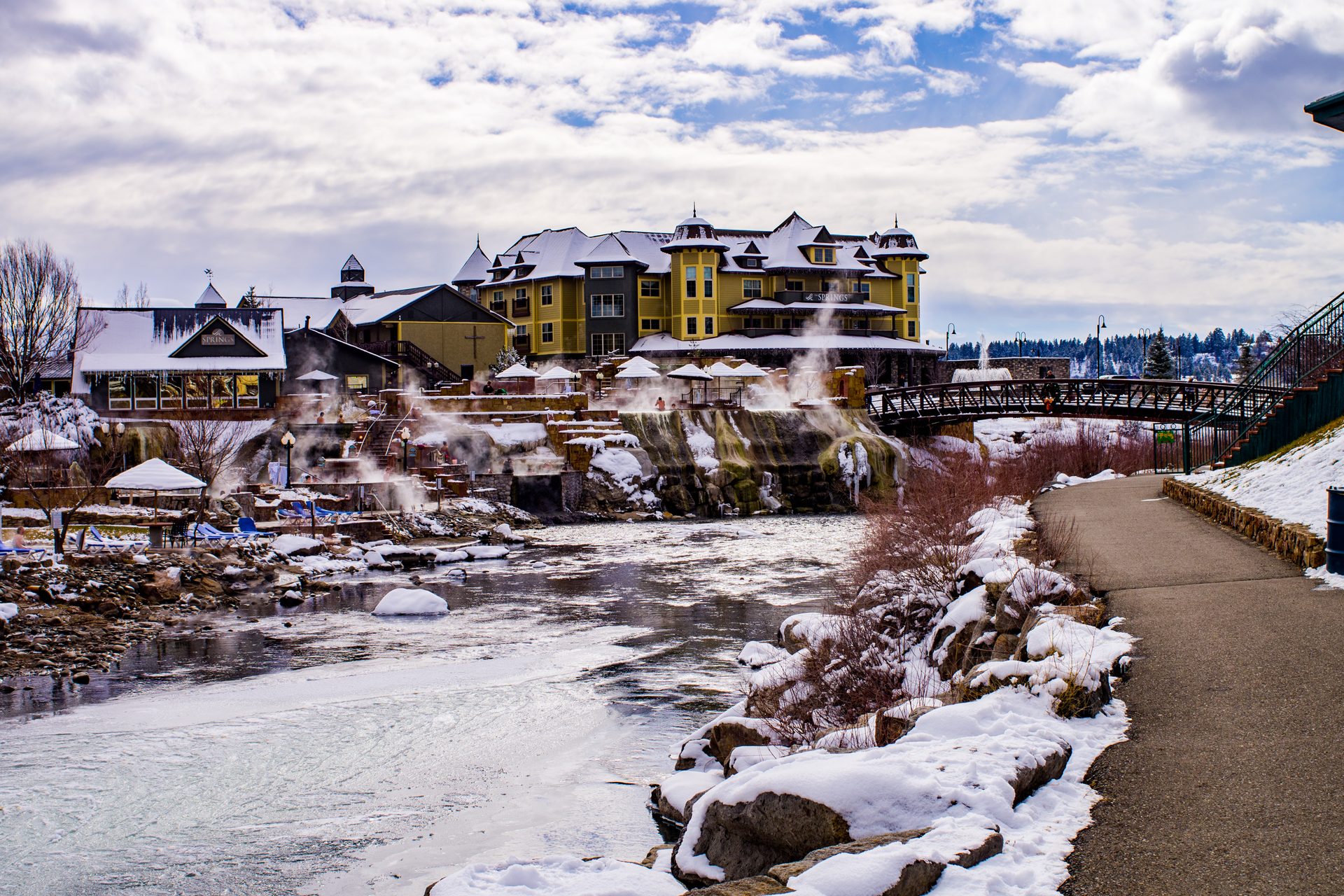
The Springs Resort is the big name, and it's built for volume. According to the resort:
- More than 25 pools are fed by the Mother Spring, which holds the Guinness World Record as the deepest geothermal spring.
- Day guests are welcome from 9 a.m. to 9:30 p.m., seven days a week.
- Water flows through each pool with no added chemicals and turns over about every two hours.
- Quiet soaking areas are set aside for guests who want one.
- Silver jewelry tarnishes in the sulfur-rich water, so leave it in the car.
Book your pass ahead on holidays and summer weekends. For a comparison with the soak near Durango, see our hot springs guide.
What else is there to do in town?
Downtown Pagosa Springs sits along the San Juan River, and Town Park straddles the water, according to the town's visitor site. A walk between soaks costs nothing, and after it you'll want food. Our site lists several places to eat and drink in town:
- Riff Raff Brewing Company, a brewery
- Meander Riverside Eatery, a restaurant
- Black Bart's Brunch, for breakfast
- Pagosa Baking Company, a bakery
Want a slower ride than a car? Buckaroos Horse-Drawn Rides runs wagon and sleigh rides behind draft horses.
Is Treasure Falls worth the extra drive?
For fifteen minutes, yes. The Forest Service says the Treasure Falls Trail is a very popular short interpretive trail right off US-160, about 16 miles east of Pagosa Springs, and the falls drop roughly 100 feet. It's 0.4 miles one way, with a footbridge and a misty deck near the base, and parking is often crowded at peak times. The pull-off sits at the base of the climb toward Wolf Creek Pass, which carries US-160 over the Continental Divide at about 10,857 feet, so this is where the road turns serious in winter. It works as a turnaround point if you're driving on toward the pass.
What changes in winter?
Plenty. Chimney Rock closes after mid-October. Meanwhile, Wolf Creek Ski Area, farther up US-160, calls itself home to the most snow in Colorado and says it averages 430 inches a year. Opening dates depend on natural snowfall. A soak after a ski day at Wolf Creek is the classic pairing, and the pass itself can close or require chains in storms, so check road conditions before you commit to the drive. Our Durango ski trip guide compares the options for skiers staying in town.
When is the best time to go?
Any season works, for different reasons. Summer is warm and crowded. Fall adds aspen color and cooler soaks, though Chimney Rock closes. Winter makes a soak feel earned, and Wolf Creek ski area sits farther up the pass if you want snow. Spring is quieter. Our best time to visit Durango page and Durango in winter guide help with timing, and our golf guide covers a round in Pagosa Springs.
Does the trip work with kids?
It does. The resort describes its pools as family-friendly spaces, Treasure Falls is a 0.4-mile walk, and Chimney Rock has a visitor center with shaded kennels so the dog doesn't have to wait in the car. Our Durango with kids guide has more ideas for the youngest travelers.
What should you pack?
- Swimsuits and towels, plus a change of clothes for the drive home
- An empty water bottle, since the resort says you can bring one to refill
- Water and snacks for Chimney Rock, which has no potable water on site
- Sun protection and sturdy shoes for the mesa
- A rain shell, because the Forest Service says weather in the region can change fast
How do you turn it into an overnight?
Stay if you want two soaks and no driving after dark. Durango's places to stay are an hour and a quarter back, so a night in Pagosa lets you soak again in the morning and drive home when you're ready. You can also build the trip into a longer loop, with our 3-day Durango itinerary showing how a day trip fits a longer stay.